
The goal of zipangu is to replace the functionality provided by the {Nippon} archived from CRAN. Add some functions to make it easier to treat data that address, year, Kanji and Kana.
Installation
You can install the released version of zipangu from CRAN with:
install.packages("zipangu")and also, the developmment version from GitHub
install.packages("remotes")
remotes::install_github("uribo/zipangu")
API
Address
separate_address("東京都千代田区大手町一丁目")
#> $prefecture
#> [1] "東京都"
#>
#> $city
#> [1] "千代田区"
#>
#> $street
#> [1] "大手町一丁目"
Applied to data frame.
library(dplyr, warn.conflicts = FALSE)
data.frame(address = c("東京都千代田区大手町一丁目", "岡山県岡山市北区清心町16-13")) %>%
  mutate(address_components = purrr::pmap(., ~ separate_address(..1))) %>%
  tidyr::unnest_wider(col = address_components)
#> # A tibble: 2 × 4
#>   address                     prefecture city       street
#>   <chr>                       <chr>      <chr>      <chr>
#> 1 東京都千代田区大手町一丁目  東京都     千代田区   大手町一丁目
#> 2 岡山県岡山市北区清心町16-13 岡山県     岡山市北区 清心町16-13
Zip-code
read_zipcode(system.file("zipcode_dummy/13TOKYO_oogaki.CSV", package = "zipangu"), "oogaki")
#> # A tibble: 1 × 15
#>   jis_code old_zip_code zip_code prefecture_kana city_kana street_kana
#>   <chr>    <chr>        <chr>    <chr>           <chr>     <chr>
#> 1 13101    100          1000001  トウキヨウト    チヨダク  チヨダ
#> # ℹ 9 more variables: prefecture <chr>, city <chr>, street <chr>,
#> #   is_street_duplicate <dbl>, is_banchi <dbl>, is_cyoumoku <dbl>,
#> #   is_zipcode_duplicate <dbl>, status <dbl>, modify_type <dbl>
You can also load a file directly by specifying a URL.
read_zipcode("https://www.post.japanpost.jp/zipcode/dl/jigyosyo/zip/jigyosyo.zip")Utilities
is_zipcode(7000027)
#> [1] TRUE
is_zipcode("700-0027")
#> [1] TRUE
zipcode_spacer("305-0053")
#> [1] "305-0053"
zipcode_spacer("305-0053", remove = TRUE)
#> [1] "3050053"

is_prefecture("東京都")
#> [1] TRUE
Calendar
Year (Japanese imperial year)
convert_jyear("R1")
#> [1] 2019
Date
convert_jdate("平成元年11月25日")
#> [1] "1989-11-25"
Public holidays in Japan
Given a year and holiday name as input, returns the date.
jholiday_spec(2022, "New Year's Day", lang = "en")
#> [1] "2022-01-01"
Holiday names can be specified in English (“en”) and Japanese (“jp”) by default, en is used.
jholiday_spec(2022, "Coming of Age Day", lang = "en")
#> [1] "2022-01-10"
jholiday_spec(2022, "\u6210\u4eba\u306e\u65e5", lang = "jp")
#> [1] "2022-01-10"
Check the list of holidays for a year with the jholiday().
jholiday(2022, lang = "jp")
#> $元日
#> [1] "2022-01-01"
#>
#> $成人の日
#> [1] "2022-01-10"
#>
#> $建国記念の日
#> [1] "2022-02-11"
#>
#> $天皇誕生日
#> [1] "2022-02-23"
#>
#> $春分の日
#> [1] "2022-03-21"
#>
#> $昭和の日
#> [1] "2022-04-29"
#>
#> $憲法記念日
#> [1] "2022-05-03"
#>
#> $みどりの日
#> [1] "2022-05-04"
#>
#> $こどもの日
#> [1] "2022-05-05"
#>
#> $海の日
#> [1] "2022-07-18"
#>
#> $山の日
#> [1] "2022-08-11"
#>
#> $敬老の日
#> [1] "2022-09-19"
#>
#> $秋分の日
#> [1] "2022-09-23"
#>
#> $スポーツの日
#> [1] "2022-10-10"
#>
#> $文化の日
#> [1] "2022-11-03"
#>
#> $勤労感謝の日
#> [1] "2022-11-23"
Use is_jholiday() function to evaluate whether today is a holiday.
is_jholiday("2022-01-10")
#> [1] TRUE
is_jholiday("2022-02-23")
#> [1] TRUE
Convert
Hiragana to Katakana and more…
str_jconv("アイウエオ",
          str_conv_hirakana, to = "hiragana")
#> [1] "あいうえお"
str_conv_zenhan("ガッ", "zenkaku")
#> [1] "ガッ"
str_conv_romanhira("aiueo", "hiragana")
#> [1] "あいうえお"
Kansuji
kansuji2arabic(c("一", "百"))
#> [1] "1"   "100"
kansuji2arabic_all("北海道札幌市中央区北一条西二丁目")
#> [1] "北海道札幌市中央区北1条西2丁目"
Prefecture name
harmonize_prefecture_name(
  c("東京都", "北海道", "沖縄県"),
  to = "short")
#> [1] "東京"   "北海道" "沖縄"
harmonize_prefecture_name(
  c("東京", "北海道", "沖縄"),
  to = "long")
#> [1] "東京都" "北海道" "沖縄県"
Label
library(scales)
library(ggplot2)
theme_set(theme_bw(base_family = "IPAexGothic"))
demo_continuous(c(1, 1e9), label = label_kansuji())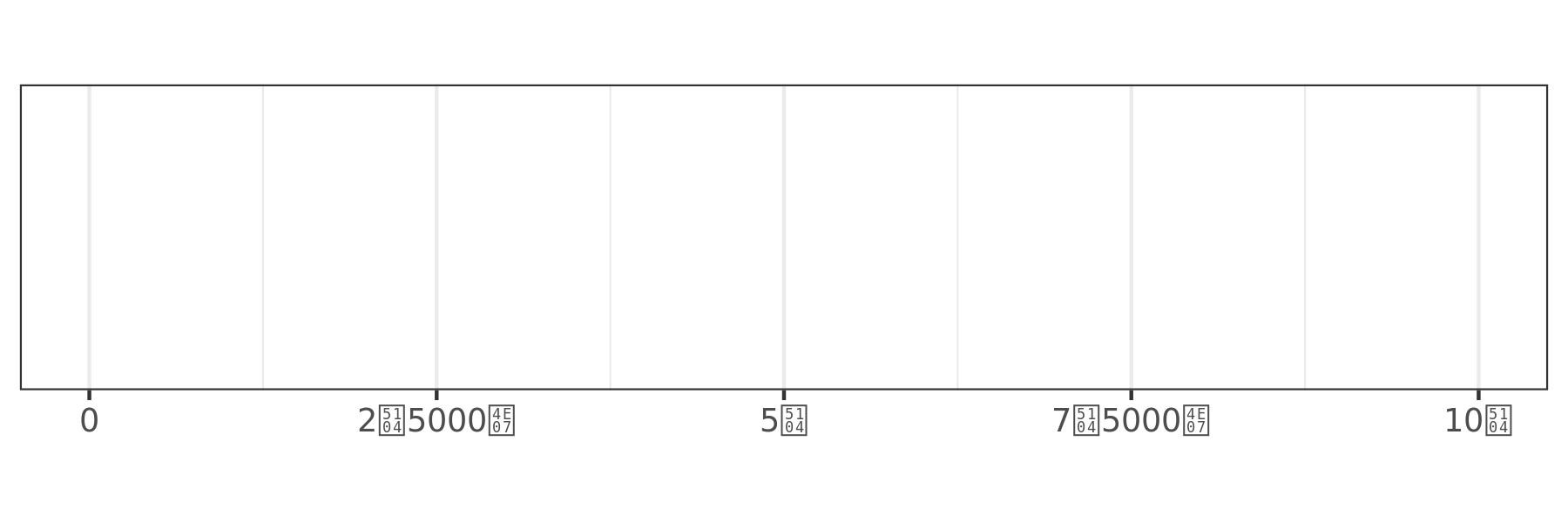
demo_continuous(c(1, 1e9), label = label_kansuji_suffix())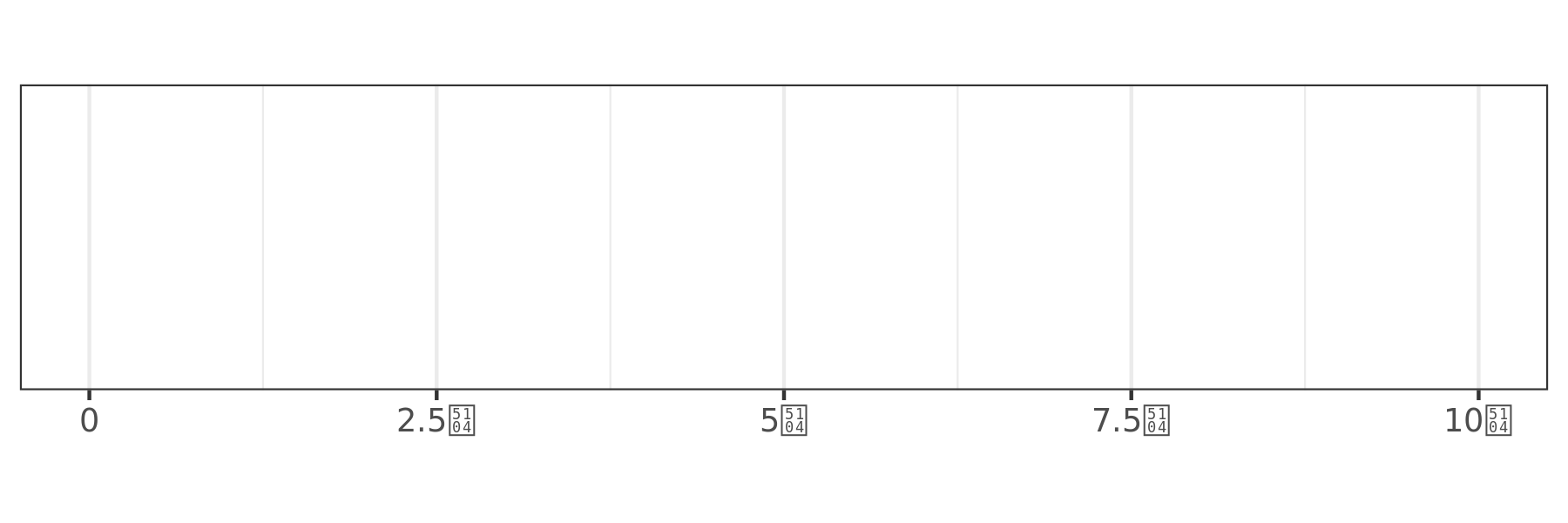
Data set
jpnprefs
#> # A tibble: 47 × 5
#>    jis_code prefecture_kanji prefecture    region   major_island
#>    <chr>    <chr>            <chr>         <chr>    <chr>
#>  1 01       北海道           Hokkaido      Hokkaido Hokkaido
#>  2 02       青森県           Aomori-ken    Tohoku   Honshu
#>  3 03       岩手県           Iwate-ken     Tohoku   Honshu
#>  4 04       宮城県           Miyagi-ken    Tohoku   Honshu
#>  5 05       秋田県           Akita-ken     Tohoku   Honshu
#>  6 06       山形県           Yamagata-ken  Tohoku   Honshu
#>  7 07       福島県           Fukushima-ken Tohoku   Honshu
#>  8 08       茨城県           Ibaraki-ken   Kanto    Honshu
#>  9 09       栃木県           Tochigi-ken   Kanto    Honshu
#> 10 10       群馬県           Gunma-ken     Kanto    Honshu
#> # ℹ 37 more rows
Kana (hiragana and katakana)
kana(type = "hira")
#>  [1] "あ" "い" "う" "え" "お" "か" "き" "く" "け" "こ" "さ" "し" "す" "せ" "そ"
#> [16] "た" "ち" "つ" "て" "と" "な" "に" "ぬ" "ね" "の" "は" "ひ" "ふ" "へ" "ほ"
#> [31] "ま" "み" "む" "め" "も" "や" "ゆ" "よ" "ら" "り" "る" "れ" "ろ" "わ" "を"
#> [46] "ん"

kana(type = "hira", core = FALSE, historical = TRUE)
#> [1] "ゐ" "ゑ"

kana(type = "kata", dakuon = TRUE, handakuon = TRUE, kogaki = TRUE)
#>  [1] "ァ" "ア" "ィ" "イ" "ゥ" "ウ" "ェ" "エ" "ォ" "オ" "カ" "ガ" "キ" "ギ" "ク"
#> [16] "グ" "ケ" "ゲ" "コ" "ゴ" "サ" "ザ" "シ" "ジ" "ス" "ズ" "セ" "ゼ" "ソ" "ゾ"
#> [31] "タ" "ダ" "チ" "ヂ" "ッ" "ツ" "ヅ" "テ" "デ" "ト" "ド" "ナ" "ニ" "ヌ" "ネ"
#> [46] "ノ" "ハ" "バ" "パ" "ヒ" "ビ" "ピ" "フ" "ブ" "プ" "ヘ" "ベ" "ペ" "ホ" "ボ"
#> [61] "ポ" "マ" "ミ" "ム" "メ" "モ" "ャ" "ヤ" "ュ" "ユ" "ョ" "ヨ" "ラ" "リ" "ル"
#> [76] "レ" "ロ" "ヮ" "ワ" "ヲ" "ン" "ヴ"



